Britain's Mobile Device Networks and the Quiet Operations of Unrestricted Incentives for Table Game Followers
Written by Kai Berger · Jun 24, 2026
Britain's Mobile Device Networks and the Quiet Operations of Unrestricted Incentives for Table Game Followers
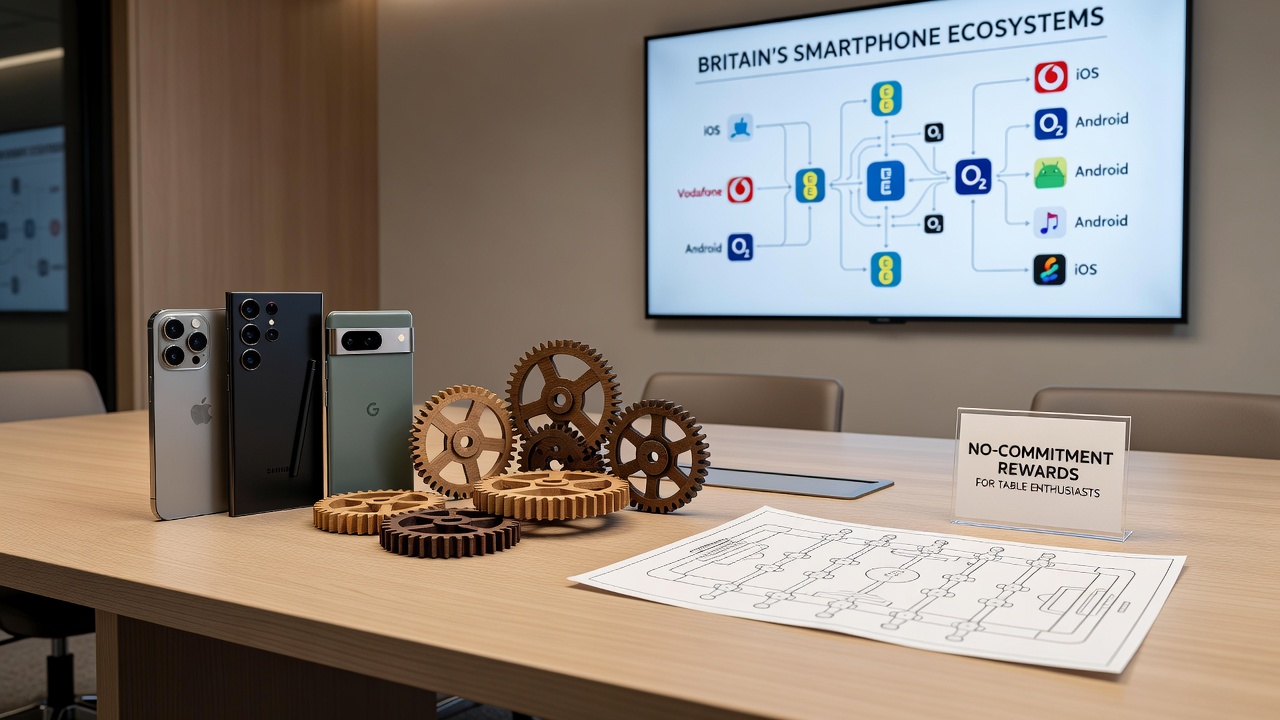
Britain's smartphone ecosystems operate through two primary platforms that shape how applications reach users and function on devices, with iOS and Android each maintaining distinct distribution rules and technical frameworks that influence everything from app updates to payment processing in entertainment software, while no-commitment rewards refer to promotional credits or spins that carry no wagering obligations and apply directly to table games such as blackjack or roulette on mobile platforms. Observers note that these systems evolved alongside broader digital market regulations that took effect across Europe by early 2025, creating layered approval processes that developers must navigate before rewards mechanics become available to players.
Platform Foundations and Their Reach
Apple's App Store and Google Play together account for the bulk of mobile application distribution in Britain, yet each enforces separate guidelines on content involving chance-based elements, which means table game applications undergo review cycles that can stretch several weeks and require specific disclosures about bonus structures. Data from industry tracking services shows Android devices hold a slight majority in user numbers across the UK as of mid-2025, whereas iOS users tend to spend more per transaction on in-app features, a pattern that affects how operators structure reward delivery without wagering conditions. Those who've examined device penetration figures find that rural areas show higher Android adoption rates, which in turn influences the design priorities for applications offering table game access and associated incentives.
Technical differences extend to payment gateways and notification systems, where iOS restricts certain third-party processors and Android allows greater flexibility in background processes that keep reward notifications active even when applications run in the foreground during live dealer sessions. Researchers at academic institutions tracking digital adoption have documented how these distinctions create separate user experiences, with one study from a Canadian university highlighting that seamless reward redemption correlates with higher retention across both ecosystems when operators align their systems accordingly.
Mechanics of Unrestricted Rewards in Table Applications
No-commitment rewards function through backend systems that credit player accounts immediately upon qualifying actions such as registration or first deposits, bypassing the multiplier requirements common in earlier promotional models and instead applying credits straight to table game balances without further playthrough conditions. This structure relies on real-time verification protocols that cross-reference device identifiers with account data to prevent duplication, a process that became more refined following software updates rolled out by major operators in late 2025. Observers note that the absence of wagering obligations shifts player behavior toward shorter sessions focused on specific table variants, as credits convert directly into playable funds rather than requiring extended activity to unlock.
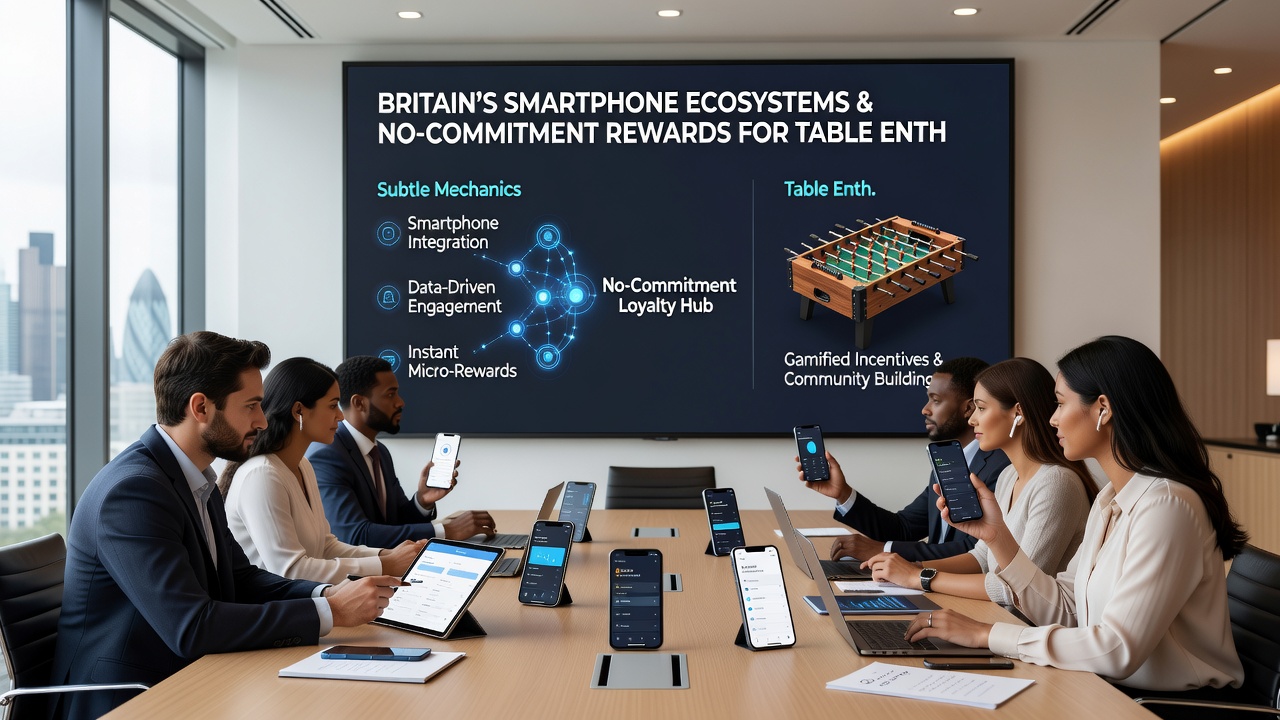
Implementation details vary by platform because iOS sandboxing limits direct access to certain device features used for fraud detection, prompting operators to rely more heavily on server-side checks, while Android's open architecture permits lighter integration of verification tools that speed up reward activation times. Figures from European digital market analyses indicate that average redemption rates for such incentives rose noticeably in the first half of 2026, coinciding with broader adoption of progressive web applications that reduce dependence on native app stores. One case where experts tracked user patterns revealed that table enthusiasts on Android devices encountered fewer interruptions during reward claims compared to iOS counterparts during the same period.
Integration with Live Table Environments
Live dealer applications connect smartphone ecosystems to remote studios through low-latency streaming protocols that maintain consistent reward application across both iOS and Android, allowing credits to appear in balance displays without interrupting gameplay flow. These connections depend on stable 5G networks that expanded significantly in Britain throughout 2025, reducing latency issues that previously affected real-time bonus tracking. Data indicates that operators adjusted their server infrastructure in response to these network improvements, enabling more precise allocation of no-commitment incentives during peak evening hours when table game traffic increases.
Security layers embedded in each ecosystem handle the transfer of promotional values, with encryption standards applied uniformly yet implemented through different APIs that reflect platform-specific requirements. Those monitoring industry reports point to a June 2026 milestone when several major providers synchronized their systems with updated device operating systems, resulting in smoother reward processing for table game sessions across mobile devices. The reality is that these adjustments reflect ongoing adaptation rather than sudden shifts, as operators balance technical constraints with user expectations for immediate access to credited amounts.
Regional Patterns and Future Adjustments
Usage data across Britain shows concentration of mobile table game activity in urban centers where network coverage remains strongest, whereas suburban and rural users experience variable performance that can delay reward crediting during live sessions. Industry organizations such as the Australian Communications and Media Authority have published comparative studies on similar mobile ecosystems elsewhere, offering benchmarks that British developers reference when refining their own reward delivery methods. What's interesting is how these cross-regional insights highlight consistent challenges around device fragmentation that affect incentive mechanics regardless of location.
Future developments hinge on continued updates to operating systems and app store policies, with potential changes expected after mid-2026 that could further standardize how no-commitment rewards integrate with table game interfaces. Evidence suggests operators will continue testing variations in credit allocation timing and notification styles to match the distinct behaviors observed on each platform, maintaining focus on direct application without additional conditions.
Conclusion
Britain's smartphone ecosystems continue to shape the delivery and functionality of unrestricted rewards for table enthusiasts through their separate technical rules and user bases, with mechanics centered on immediate crediting and platform-specific verification that evolved alongside network expansions and regulatory updates. The patterns observed through mid-2026 demonstrate steady refinement in how these incentives operate within mobile environments, reflecting the interplay between device capabilities and application design choices.