Charting the Quiet Evolution of Tailored Mobile Perks in Britain's Live Gaming Landscape
Written by Morgan Perry · May 22, 2026
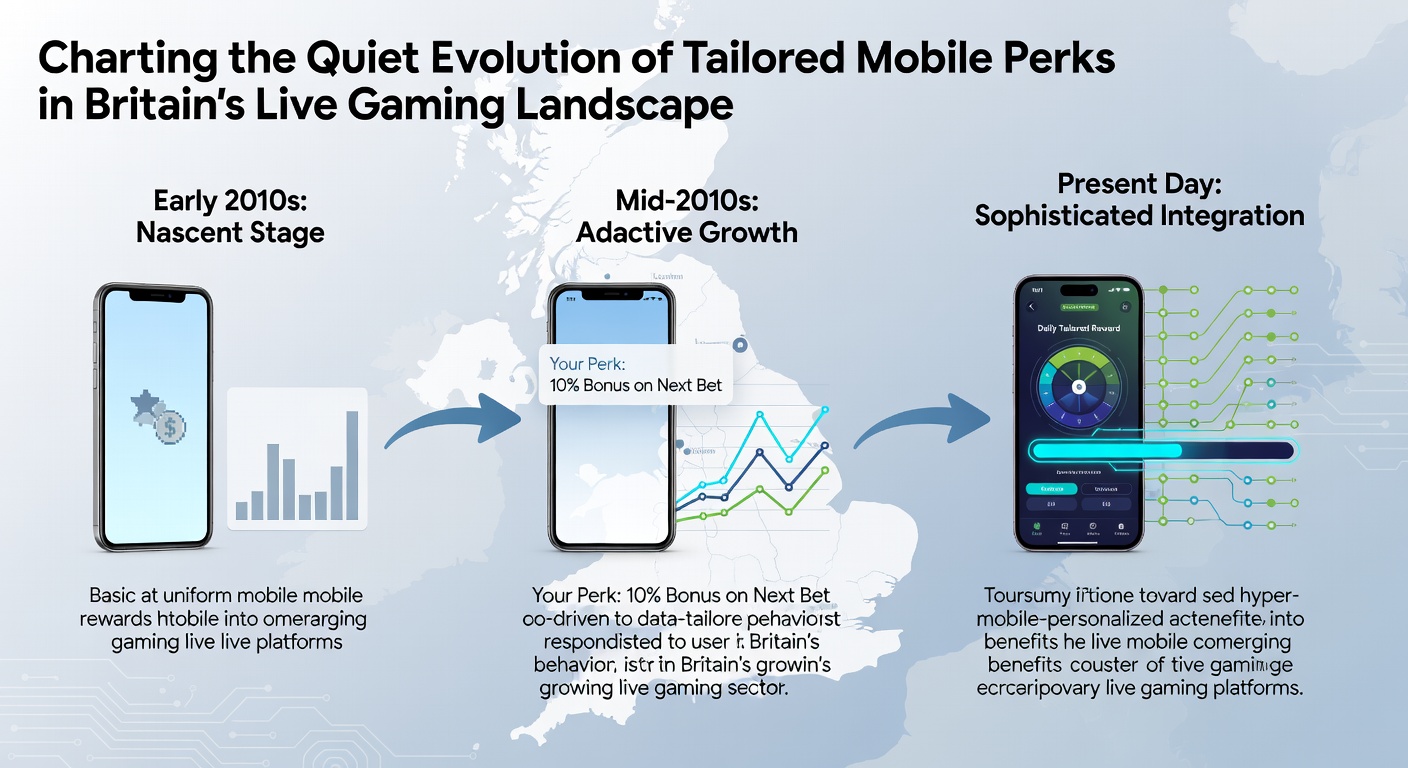
Charting the Quiet Evolution of Tailored Mobile Perks in Britain's Live Gaming Landscape
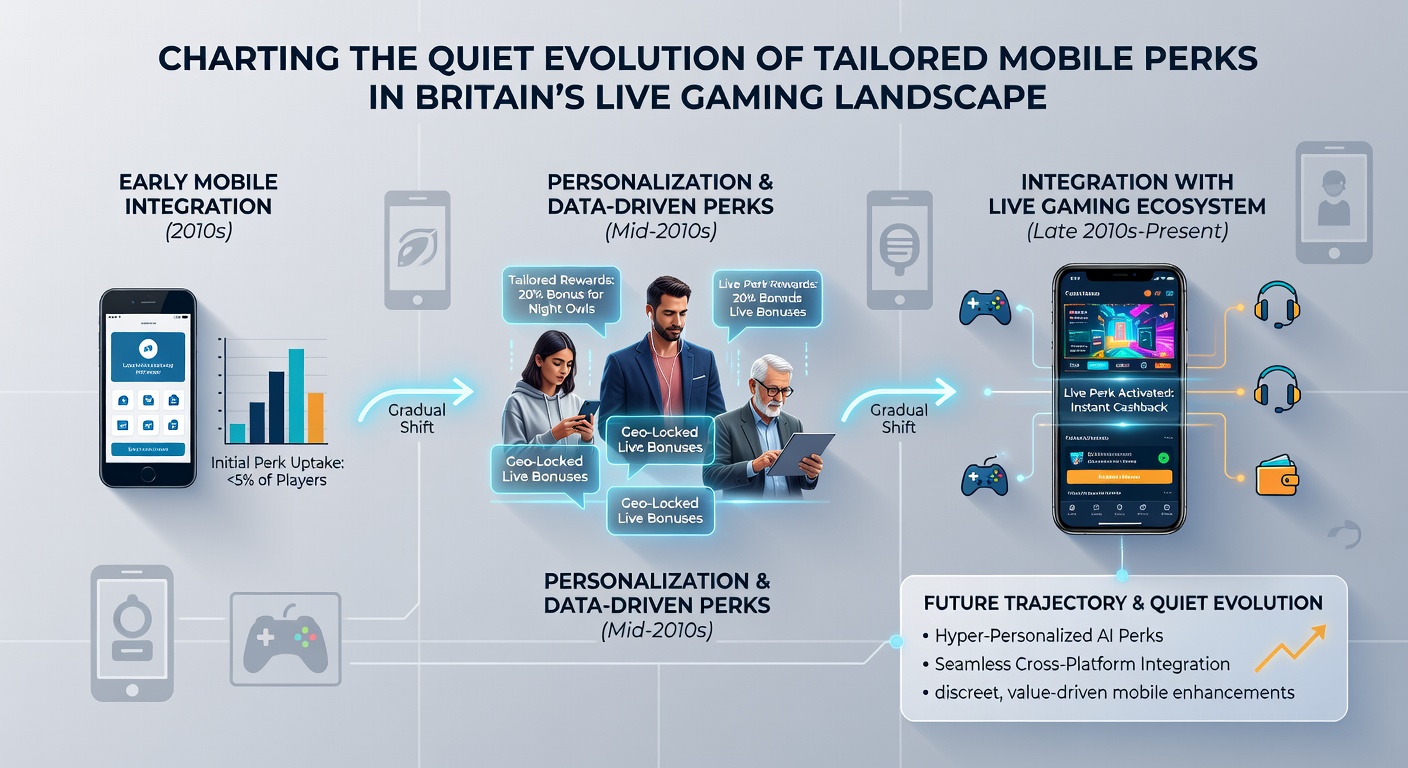
Live gaming in Britain has shifted toward mobile platforms over recent years, with operators refining perks that match individual player habits and session patterns. These changes unfold through incremental updates rather than headline announcements, as developers integrate data from user interactions to shape offers like customized live table invites or device-specific reward structures. Industry reports highlight how mobile apps now track preferences across roulette, blackjack, and baccarat streams, allowing perks to adjust in real time without requiring separate logins or menu navigation.
Early mobile live offerings relied on basic porting of desktop features, yet recent refinements focus on seamless integration with phone hardware. Accelerometers and location services enable perks that activate during travel or at specific times of day, while push notifications deliver tailored live dealer seat reservations. Observers note that this evolution aligns with broader digital trends where apps learn from touch patterns and play duration to suggest bonuses that fit short commutes or evening routines.
Technological Drivers Behind Mobile Personalization
Advancements in cloud-based streaming have reduced latency for live feeds on smartphones, which in turn supports more precise perk delivery. Operators deploy algorithms that analyze prior sessions to offer credit boosts tied directly to favored game types or stake levels. Data from device usage patterns shows increased engagement when perks appear contextually, such as during peak commuting hours when players favor quick-hit live tables. This approach avoids generic promotions and instead builds sequences where one reward leads naturally into the next based on continued play.
Integration with wearable technology extends these capabilities further. Some platforms sync mobile apps with smartwatches to send haptic alerts for live tournament entries or exclusive table access. Researchers at institutions like the University of Nevada, Las Vegas have examined similar systems in other markets, finding that such layered notifications maintain player interest across longer periods without overwhelming device screens.
Regulatory Context and Operator Adaptations
Britain's evolving framework around digital entertainment encourages operators to emphasize responsible features within mobile perks. Limits on session reminders or spending trackers now embed directly into tailored offers, so players receive personalized prompts alongside rewards. In May 2026, updates to cross-border data standards are expected to influence how apps handle location-based incentives, prompting developers to refine geo-specific live game suggestions while maintaining compliance across regions.
Operators respond by collaborating with software providers to embed audit trails into every perk activation. This ensures transparency when rewards adjust according to individual risk profiles or historical activity. External analyses from the New Jersey Division of Gaming Enforcement illustrate comparable adaptations in North American markets, where mobile live features evolved alongside stricter transparency requirements.
Player Behavior Patterns and Perk Refinements
Usage statistics indicate that mobile live sessions often occur in fragmented intervals, leading operators to develop perks that accommodate interrupted play. Auto-resume functions paired with bonus credits allow players to return to the same table or dealer without losing accumulated rewards. Those who've studied engagement metrics report that such continuity features correlate with higher retention when offers scale based on total time spent rather than single-session totals.
Examples from operator case studies reveal how segmentation by device type influences perk variety. Android users might encounter different live-stream quality tiers tied to processor capabilities, while iOS integrations emphasize Apple Pay-linked instant top-ups for seamless table entry. These distinctions emerge from testing across user bases, where feedback loops refine which incentives appear first in app interfaces.
Industry Collaborations and Emerging Standards
Trade groups such as the European Gaming and Betting Association have documented workshops focused on standardizing mobile live protocols. Participants discuss uniform ways to present tailored perks without disrupting game flow, including shared frameworks for reward visibility across competing apps. Such cooperation reduces fragmentation, allowing players to experience consistent navigation when switching between operators' live sections.
Academic papers from Canadian research centers on digital behavior further support these developments by modeling how reward timing affects decision-making during live streams. Findings suggest that perks delivered mid-session, rather than at login, better align with natural play rhythms observed in mobile environments.
Future Trajectories in Live Mobile Offerings
Looking ahead, voice-command interfaces may soon enable hands-free perk activation during live dealer exchanges. Developers test prototypes where spoken preferences trigger personalized table invites or multiplier adjustments without leaving the game view. These experiments build on existing audio cues already present in some apps, extending them toward more interactive reward systems.
Cross-platform continuity represents another frontier, with perks carrying over from mobile to desktop or smart TV setups. Operators invest in unified accounts that preserve live session history and associated benefits, ensuring players encounter familiar incentives regardless of screen size. Projections for 2026 point to wider adoption of these unified systems as hardware capabilities advance.
Conclusion
The landscape of tailored mobile perks in Britain's live gaming continues to develop through steady technical and operational adjustments. These changes reflect responses to player habits, device advancements, and coordinated industry efforts rather than sudden overhauls. As platforms incorporate more contextual data and maintain compliance with shifting standards, mobile live experiences gain layers of personalization that fit varied routines and preferences. Ongoing monitoring by regulators and researchers will shape how these elements expand in coming periods.