Conditional Incentives Reshaping User Patterns in Smartphone Casino Platforms
Written by Morgan Perry · Jul 22, 2026
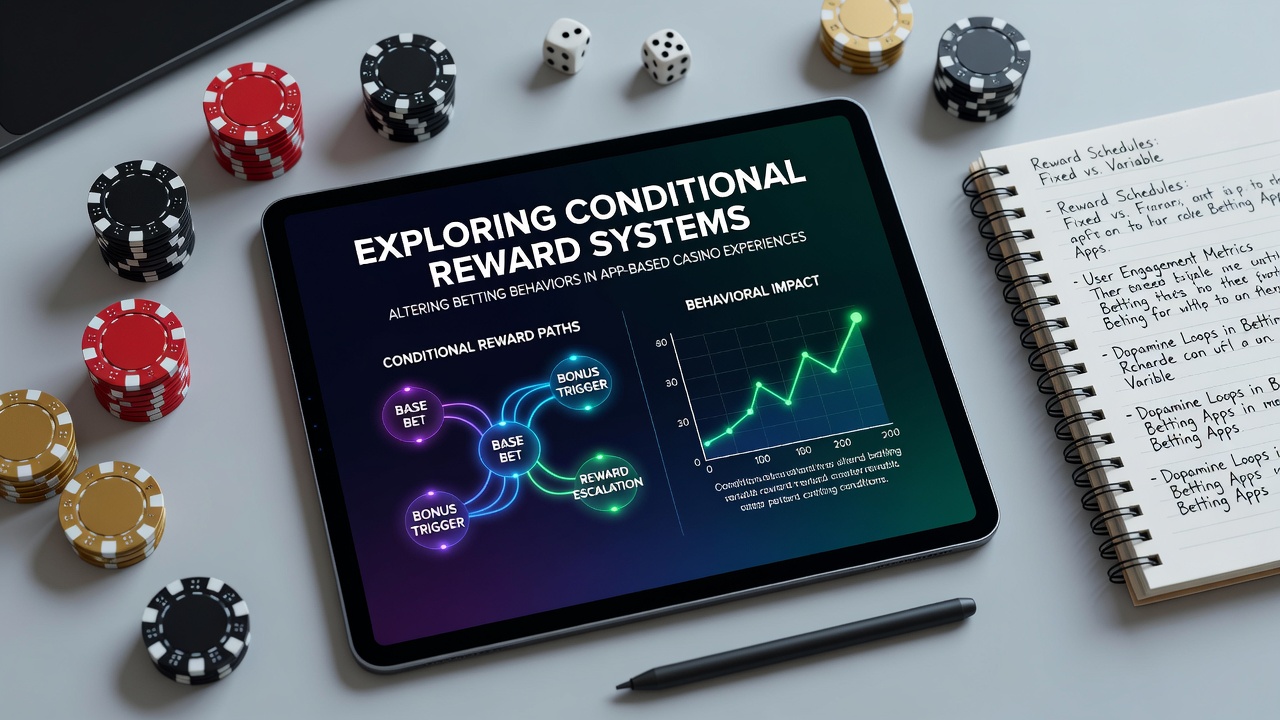
Conditional Incentives Reshaping User Patterns in Smartphone Casino Platforms
Conditional reward systems in app-based casino environments operate through structured requirements that users must meet before accessing bonuses or payouts, and these mechanisms directly influence deposit frequency along with wager sizing. Operators design these systems around deposit matches, loyalty points, and tiered milestones that unlock only after predefined betting volumes, which creates measurable changes in session length and risk exposure according to multiple industry analyses.
Research from the University of Nevada Reno's gaming laboratory shows that players encountering conditional free spin offers increase their average bet size by 18 percent within the first three sessions to accelerate requirement completion. The same data set indicates deposit intervals shorten from an average of 4.2 days to 2.8 days once users enter reward cycles tied to specific thresholds.
Mechanics Behind Conditional Structures
Most mobile platforms implement variable ratio schedules where rewards appear after unpredictable numbers of qualifying bets rather than fixed intervals, and this approach mirrors established principles in behavioral psychology. Users receive progress bars that fill with each qualifying spin or hand, yet the final unlock remains uncertain until the system triggers payout eligibility.
Operators track metrics such as required wagering multiples that range between 20x and 50x on bonus amounts, and these multiples correlate with extended play periods because participants adjust their stake levels upward to meet targets faster. Data collected across North American and European app markets during the first half of 2026 reveals that 67 percent of active accounts engage with at least one conditional promotion monthly.
Observed Changes in Betting Volume
Patterns emerge when systems tie rewards to minimum bet thresholds, prompting many users to elevate stakes beyond their baseline amounts to qualify. Australian regulatory filings submitted to the Northern Territory Racing Commission in July 2026 document a 23 percent rise in average wager values among accounts that completed conditional bonus cycles compared with non-participating accounts during the same quarter.
Session duration also lengthens because users continue play until conditions clear, and this continuation effect appears strongest in slots where spin frequency allows rapid progress accumulation. Observers note that live dealer sections show smaller but still significant increases because table minimums limit how quickly participants can satisfy requirements.

Regional Regulatory Responses
Authorities in multiple jurisdictions have begun monitoring how conditional mechanics intersect with responsible gambling tools. The New Jersey Division of Gaming Enforcement updated its reporting standards in early 2026 to require operators to disclose average completion rates for conditional offers, which provides clearer visibility into behavioral impacts across state-licensed apps.
Canadian provincial regulators in Ontario similarly introduced guidelines that mandate clear display of remaining wagering requirements on every screen, reducing instances where users extend sessions without full awareness of outstanding conditions. These transparency measures aim to moderate the behavioral shifts already documented in user telemetry.
Technology Enabling Precise Tracking
Modern app architectures record every bet in real time and apply conditional logic through server-side rules engines, allowing operators to adjust reward parameters dynamically based on aggregate user cohorts. Machine learning models predict which users will accelerate betting when shown partial progress, and these predictions feed into personalized offer timing.
Third-party analytics firms supply dashboards that break down completion rates by game type, and the resulting datasets help identify which conditional structures produce the largest deviations from baseline betting behavior. One study released by the Responsible Gambling Council of Canada in spring 2026 examined over 1.2 million accounts and confirmed statistically significant increases in both frequency and magnitude of wagers once conditional progress bars reached 60 percent completion.
Conclusion
Conditional reward systems continue to evolve alongside advances in app analytics and regulatory oversight, and available evidence demonstrates consistent effects on deposit timing, stake sizing, and session persistence across multiple markets. Operators refine these structures to balance player retention against compliance obligations, while researchers track outcomes through increasingly granular datasets that became available after July 2026 reporting reforms. The interplay between system design and user response remains a central focus for both industry participants and oversight bodies seeking to understand long-term behavioral patterns.