Decoding Participation Incentives Across Britain's Smartphone Live Gaming Platforms
Written by Morgan Perry · Jun 26, 2026
Decoding Participation Incentives Across Britain's Smartphone Live Gaming Platforms
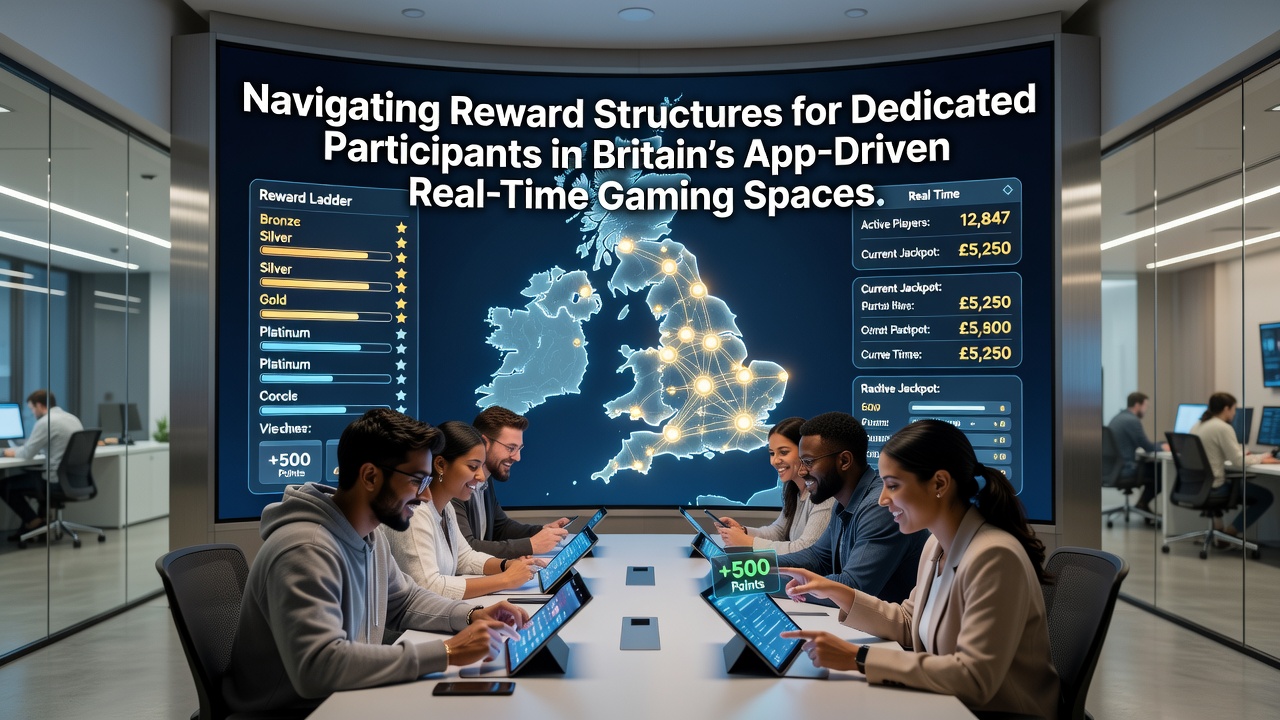
Britain's app-driven real-time gaming spaces have developed intricate reward frameworks that track player engagement across mobile platforms, and those frameworks reward consistent participation through layered point systems, tier advancements, and redemption options that evolve with usage patterns. Data released in June 2026 from industry monitoring groups shows steady growth in these mobile ecosystems, where dedicated users accumulate benefits by completing challenges, maintaining session streaks, and advancing through structured loyalty levels that unlock additional features within the apps themselves.
Core Components of Mobile Reward Frameworks
Real-time gaming apps in Britain typically structure rewards around a combination of time-based metrics and performance indicators, so participants earn points for session duration while also receiving multipliers for achieving in-game objectives during live events. These systems integrate with device notifications to prompt return visits, and they adjust reward rates based on frequency of play rather than single-session totals. Observers note that many platforms now synchronize rewards across multiple game modes within one application, allowing users to transfer accumulated value between different real-time experiences without resetting progress.
Payment integration plays a central role in how rewards function, since deposit activity often triggers accelerated point accrual rates that apply only during active windows. Those who've studied these patterns find that apps distinguish between standard participation credits and premium rewards reserved for higher engagement thresholds, creating clear pathways that participants can follow to increase their benefit levels over successive months.
Tier Advancement and Retention Mechanics
Advancement through reward tiers depends on cumulative activity tracked over rolling periods, and many apps reset qualification windows every quarter to encourage ongoing engagement rather than one-time spikes. Participants reach new tiers by meeting combined targets that include both login consistency and minimum transaction volumes, while some platforms add social components such as referring contacts or joining community challenges that contribute additional points. Research from the Interactive Games Association indicates these tier structures have expanded since 2024, with more apps introducing intermediate levels between entry and top categories to maintain motivation across broader user segments.
Redemption Pathways and Platform Variations
Redemption options range from in-app credits that extend playtime to tangible items or event access that platforms source through partner networks. Dedicated users often discover that certain rewards carry expiration dates tied to the tier in which they were earned, prompting strategic decisions about when to redeem versus when to continue accumulating. Apps differ in how transparently they display upcoming requirements for the next tier, although most now include progress dashboards that update in real time during active sessions.
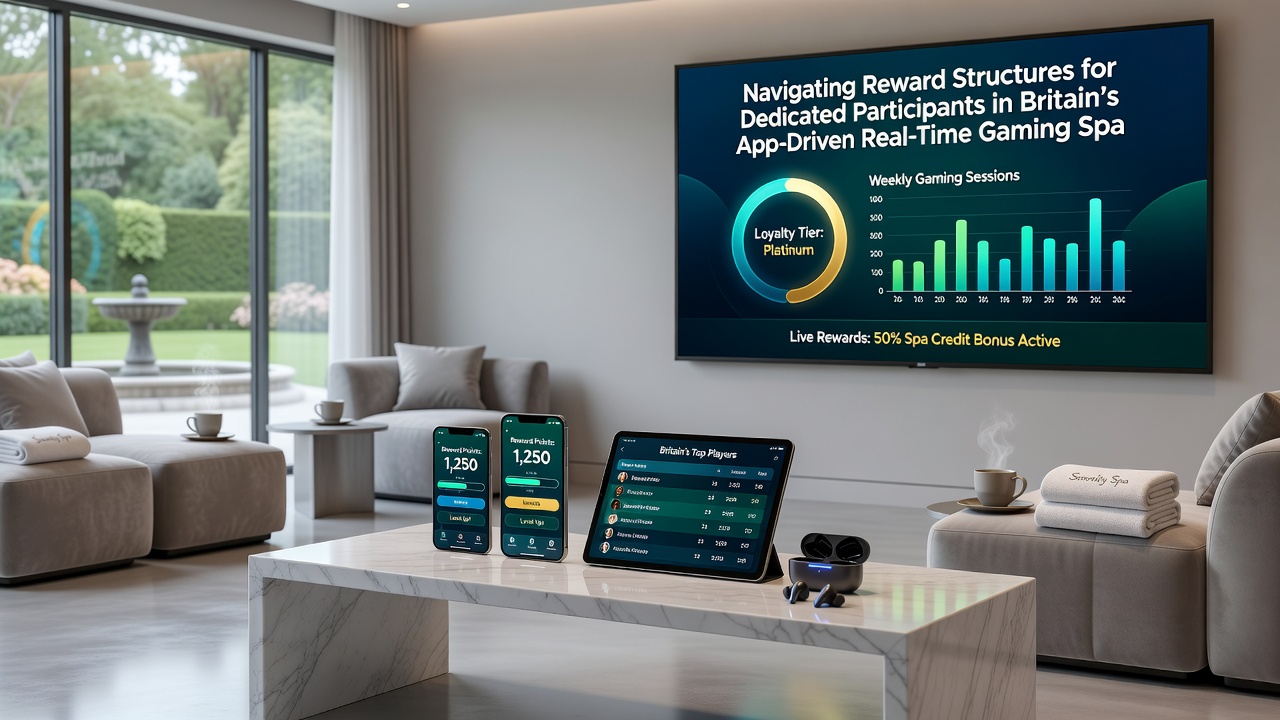
What's interesting is how some applications have begun incorporating external data feeds, such as performance in linked esports tournaments, to supplement in-app reward calculations. This cross-platform approach allows participants who engage with multiple formats to consolidate benefits in a single profile, and it reflects broader industry shifts toward unified ecosystems rather than isolated game titles. Those monitoring these developments point to reports from the Australian Communications and Media Authority that highlight similar integration trends in other markets, suggesting Britain's platforms are aligning with international patterns in reward design.
Participant Strategies for Maximizing Available Benefits
People who regularly use these apps often map out their activity calendars around known reward reset dates and promotional windows announced within the applications. They track point multipliers that apply during specific live events, and they compare redemption values across different tiers before committing accumulated balances. One study revealed that users who diversify their participation across several game types within the same app tend to reach higher tiers faster than those who focus on a single mode, because the systems reward breadth alongside depth.
Platform updates in early 2026 introduced new tracking features that display projected rewards based on current pace, giving participants clearer visibility into future benefits without requiring external calculation tools. These additions reduce friction in the navigation process, and they coincide with expanded educational sections inside apps that explain how various activities translate into points.
Conclusion
Britain's app-driven real-time gaming environments continue to refine reward structures that balance accessibility for new users with substantial incentives for dedicated participants, and the mechanisms now emphasize transparency alongside complexity. As mobile platforms incorporate more data-driven personalization and cross-format integration, those who engage consistently can follow predictable pathways toward higher-value benefits while adapting to periodic system adjustments that reflect broader market conditions.