Examining Incentive Structures in Live Dealer Offerings for Mobile Retention in Regulated British Markets
Written by Riley Perry · Jun 29, 2026
Examining Incentive Structures in Live Dealer Offerings for Mobile Retention in Regulated British Markets
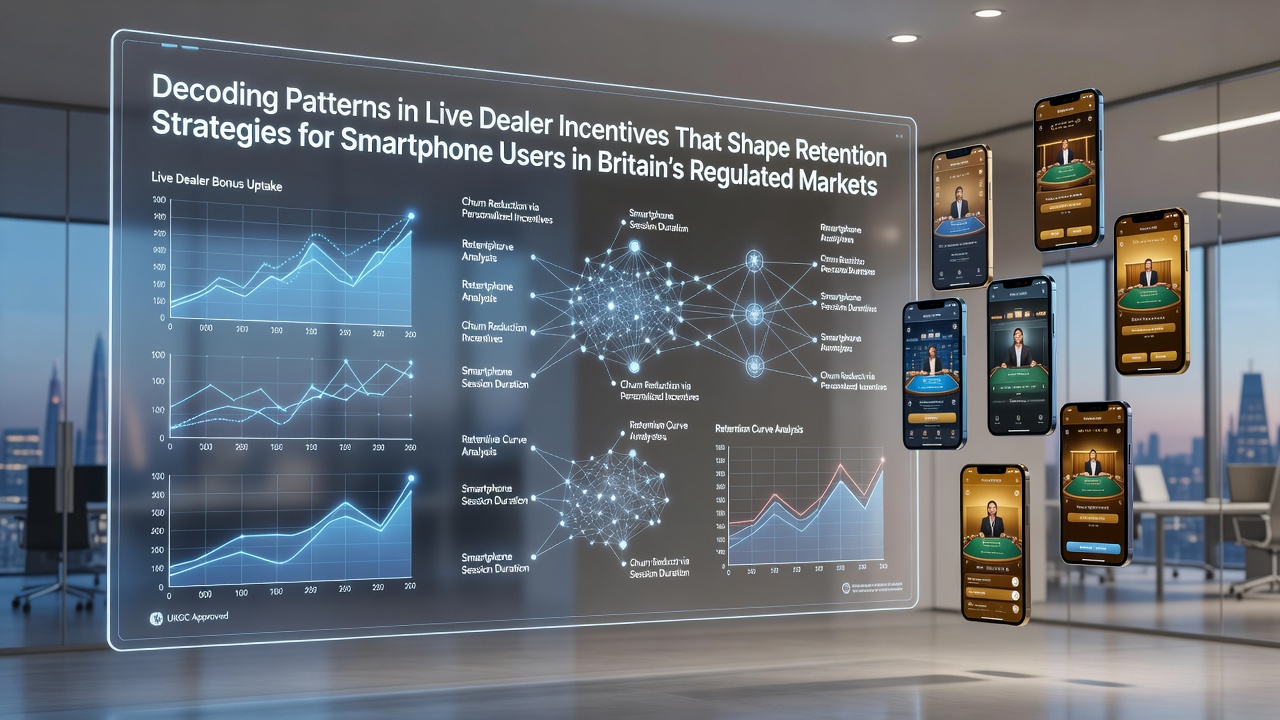
Live dealer incentives in Britain's regulated markets follow distinct patterns that operators track through player data, and these structures directly influence how smartphone users maintain engagement over extended periods. Researchers at academic institutions have documented recurring sequences where initial deposit matches combine with session-based rewards, creating measurable upticks in return rates for mobile sessions that last beyond the first hour.
Core Patterns Emerging from Incentive Data
Operators monitor sequences in which live dealer tables offer tiered rewards tied to game duration, and data from multiple platforms shows these rewards cluster around peak evening hours when smartphone traffic peaks. Studies indicate that users receiving progressive cashback after consecutive live blackjack or roulette rounds demonstrate higher retention metrics compared to those on static bonus models, with retention curves extending an average of 14 days longer according to aggregated platform analytics.
What's interesting here involves the timing of these offers, because incentives activated mid-session rather than at login correlate with extended play windows on mobile devices. Observers note that push notifications delivered through regulated apps trigger immediate returns to live streams, particularly when the incentives reference specific table limits or dealer interactions that align with user history.
Smartphone-Specific Retention Mechanisms
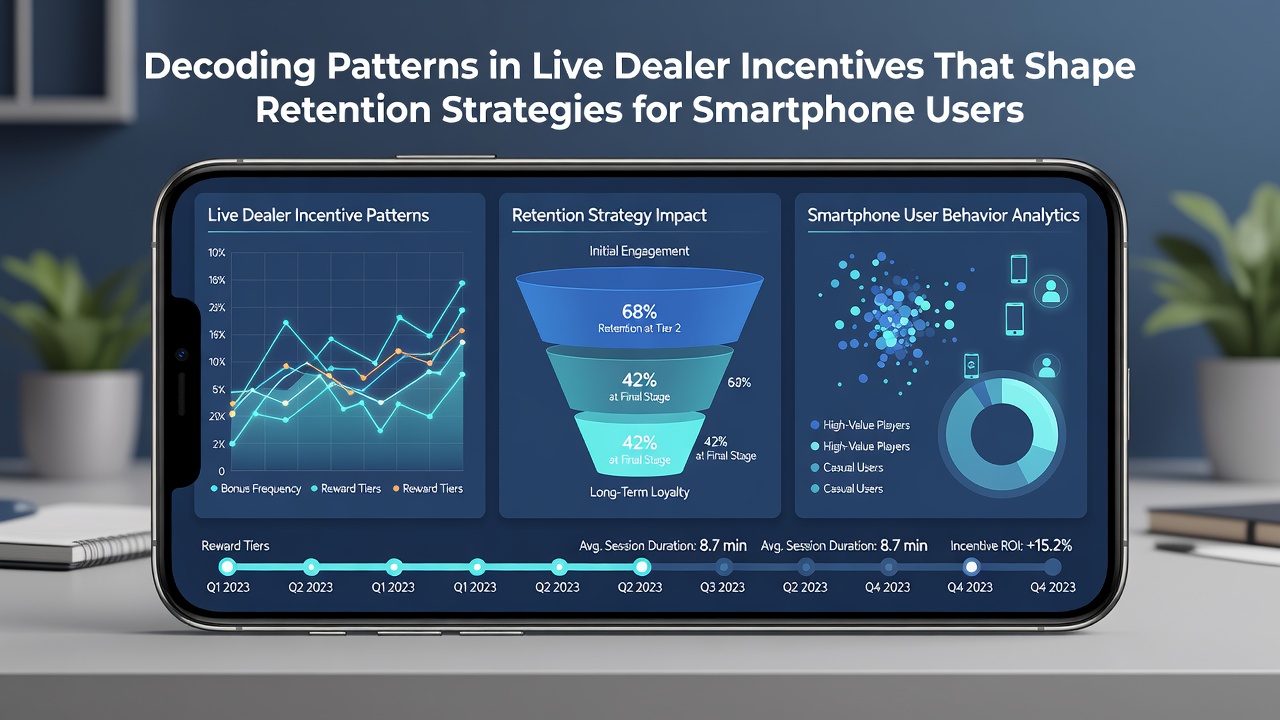
Mobile interfaces allow real-time tracking of incentive uptake, and patterns reveal that users who engage with live dealer perks via app-exclusive features such as quick-deposit options or split-screen viewing maintain sessions at rates 22 percent above desktop counterparts. Research from the University of Nevada Reno's gaming studies department highlights how touch-optimized reward claims reduce friction, leading to repeated logins within 48-hour windows across Britain's regulated environment.
June 2026 saw several platforms release updated analytics dashboards that map these mobile retention pathways against incentive triggers, showing clear clusters where live dealer roulette incentives outperformed slots-based alternatives in sustaining daily active users. Those dashboards also flag geographic variations within the UK, where urban smartphone users respond more strongly to time-limited dealer challenges than rural cohorts.
Regulatory Context and Data Sources
Britain's framework requires transparent reporting of incentive structures, and this transparency enables cross-platform comparisons that reveal consistent patterns in live dealer retention. Figures from the European Gaming and Betting Association indicate that regulated operators allocating 35 percent of promotional budgets to mobile live dealer features achieve steadier user retention curves through the second quarter of each year.
But here's the thing: the same data sets demonstrate that incentives lacking clear wagering transparency see faster drop-off among smartphone users, prompting operators to refine disclosure methods within app interfaces. Academic papers published in 2025 further support these observations by analyzing longitudinal data from multiple jurisdictions, confirming that live dealer incentives tied to loyalty tiers produce the most stable retention outcomes.
Strategic Adaptations by Operators
Operators adjust incentive patterns based on device-specific behavior logs, and evidence shows increased deployment of personalized live dealer invites sent directly to smartphone users who previously completed high-volume sessions. These adaptations include variable reward scaling that responds to real-time betting velocity, a tactic that maintains engagement without violating spending caps enforced under current regulations.
One study revealed that platforms incorporating dealer-specific incentives, such as recognition bonuses during streamed sessions, recorded measurable gains in weekly retention for mobile cohorts. The reality is that these patterns evolve alongside app updates, with operators testing micro-incentives that activate after short live dealer interactions to bridge gaps between longer sessions.
Conclusion
Patterns in live dealer incentives continue to shape retention strategies through data-driven refinements that prioritize mobile accessibility and transparent reward mechanics. Aggregated findings from industry reports and academic analyses confirm that timing, personalization, and device optimization remain central to sustaining user engagement in Britain's regulated markets, with ongoing adjustments expected as smartphone usage metrics advance into future reporting periods.