Incentive Dynamics Driving Engagement Across Portable Digital Entertainment Ecosystems
Written by Kai Berger · Jul 17, 2026
Incentive Dynamics Driving Engagement Across Portable Digital Entertainment Ecosystems
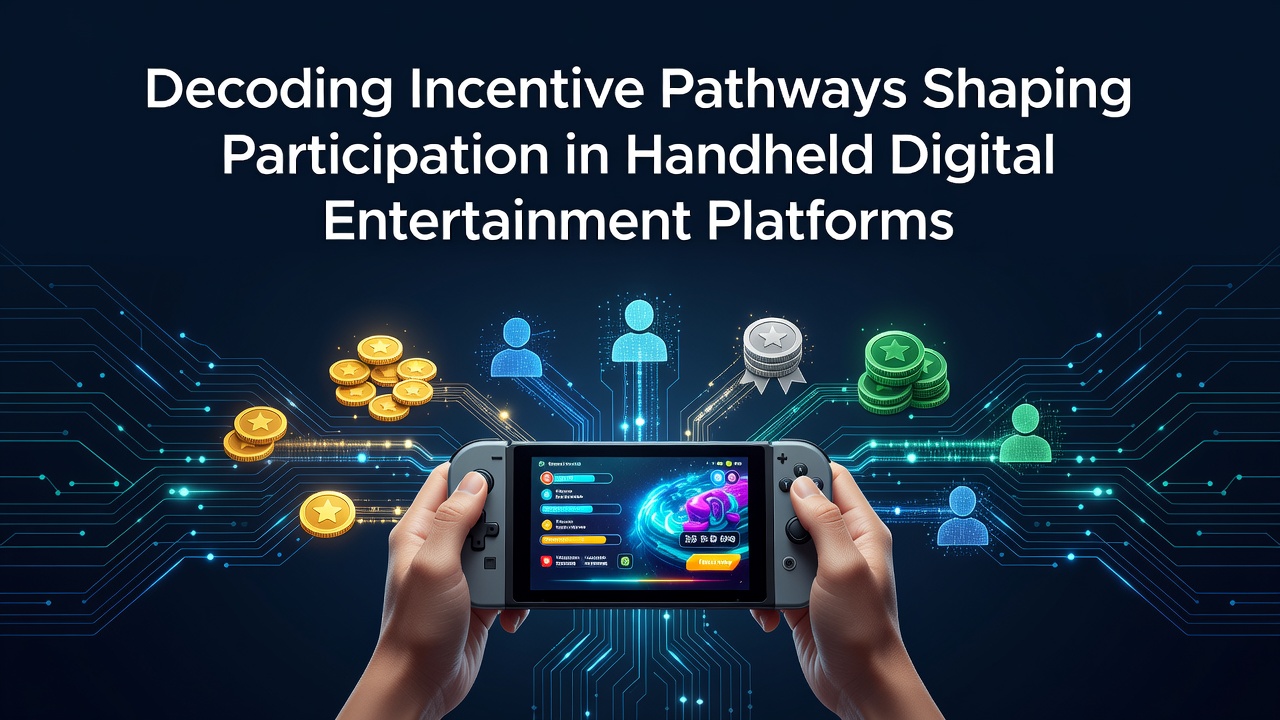
Handheld digital entertainment platforms rely on layered incentive systems that guide user behavior from initial download through extended sessions and repeated returns, and researchers continue to map how these structures influence participation rates across gaming, streaming, and interactive media applications. Data from industry reports indicate that daily login rewards combined with progression milestones account for measurable increases in session frequency, while variable reward schedules modeled after established behavioral principles maintain attention over longer periods. Observers note that developers adjust these pathways based on aggregated usage metrics rather than isolated features, creating feedback loops where participation data directly informs the next round of reward adjustments.
Core Components of Incentive Pathways
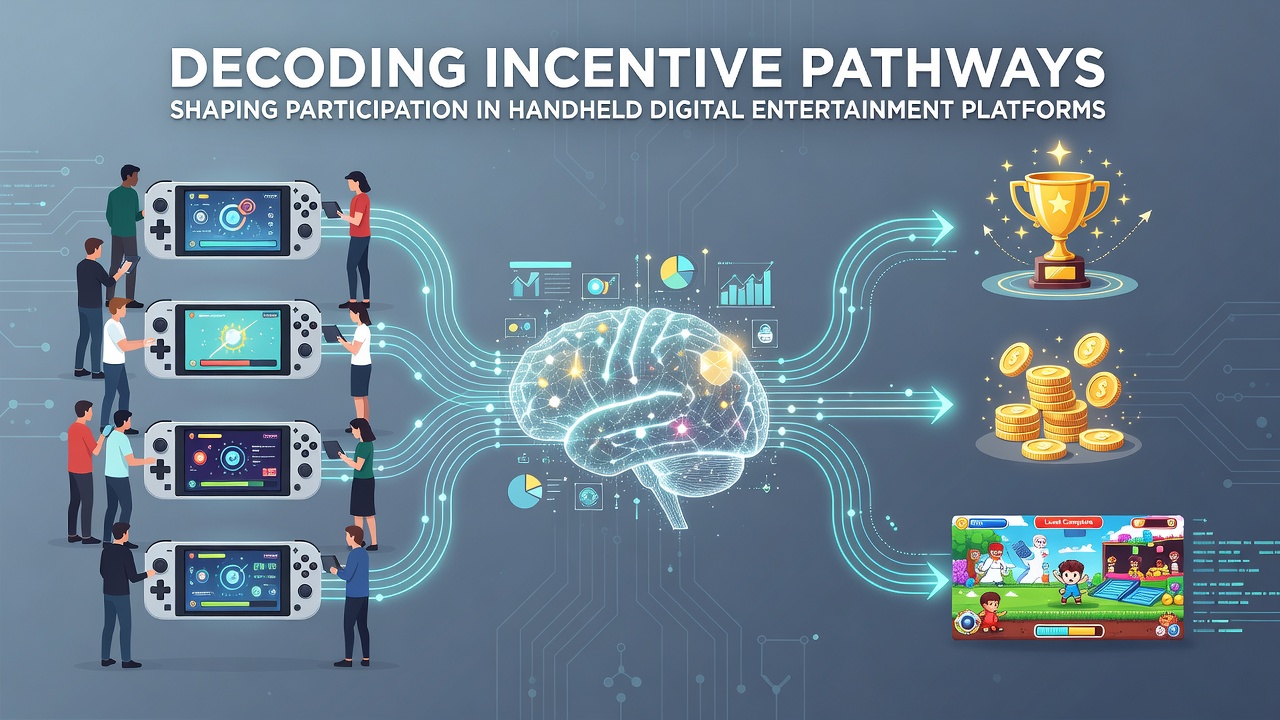
Modern mobile entertainment services integrate several distinct incentive types that operate simultaneously, and these include time-based rewards, achievement unlocks, social competition elements, and personalized offers derived from play patterns. Studies conducted by academic institutions reveal that combinations of extrinsic motivators such as virtual currency grants adn intrinsic elements like narrative progression produce higher retention figures than single-mechanism approaches alone. Those who analyze platform telemetry observe that users respond differently to immediate versus delayed gratification structures, with short-term bonuses driving early adoption while cumulative systems support sustained involvement through months of activity. What's interesting is how these components interconnect, since a user completing a daily task often receives access to a longer quest line that incorporates social features, thereby extending the participation chain without requiring separate prompts.
Behavioral Patterns Observed in July 2026
Platform analytics released in July 2026 showed continued growth in engagement tied to adaptive incentive timing, particularly on devices running current operating systems where push notification delivery and background refresh capabilities allow precise reward scheduling. Figures from the Entertainment Software Association demonstrate that titles employing dynamic difficulty adjustments paired with bonus multipliers recorded session lengths averaging twenty-three percent longer than static reward models during the first half of the year. People who track cross-platform usage note that handheld entertainment applications increasingly synchronize incentives across multiple devices, letting users maintain progress whether switching between phones and tablets or pausing and resuming within the same session. This synchronization reduces friction points that previously interrupted participation flows, and developers have refined the underlying algorithms to predict optimal reward delivery windows based on individual device usage histories.
Regional Regulatory Influences on Reward Design
Government agencies outside the United Kingdom shape incentive structures through consumer protection guidelines, and the Australian Communications and Media Authority has published frameworks that encourage transparent disclosure of odds within randomized reward systems common in handheld games. Similar guidance from the Canadian Radio-television and Telecommunications Commission emphasizes clear communication around spending limits tied to in-app progression features, prompting developers to redesign certain pathways so users encounter spending options only after completing non-monetary milestones first. These regulatory approaches differ by jurisdiction yet share the common effect of requiring platforms to document how incentives influence user decisions, and compliance reports indicate that companies maintaining detailed audit trails experience fewer interruptions during certification processes.
Platform-Specific Implementation Strategies
Leading handheld entertainment providers differentiate their incentive architectures through distinct emphasis areas, and one major ecosystem prioritizes social leaderboard integration while another focuses on narrative branching unlocked by consistent play streaks. Research papers examining freemium models show that successful implementations balance accessibility of core content with optional acceleration paths, preventing users from feeling blocked while still offering meaningful advantages to those who engage more deeply with the reward systems. Observers tracking July 2026 updates note that several platforms introduced seasonal event calendars where overlapping incentive tracks create compounding benefits, such as event currency that converts into permanent account upgrades after the limited-time window closes. This approach extends participation because users weigh the value of completing multiple concurrent tracks against dropping one in favor of another, and telemetry data reveal increased cross-session planning behavior as a result.
Measurement and Optimization Techniques
Analytics teams employ cohort analysis and A/B testing frameworks to refine incentive pathways, comparing groups exposed to different reward frequencies or values while holding other variables constant. Industry organizations such as the Interactive Games and Entertainment Association compile aggregated findings that help smaller developers identify patterns without requiring equivalent internal research capacity. Those studying participation curves note that early indicators of pathway effectiveness appear within the first seven days after download, with metrics like time-to-first-reward and subsequent return intervals serving as reliable predictors of longer-term retention. Adjustments made during this window often produce compounding effects, since users who receive well-timed early incentives demonstrate higher likelihood of exploring deeper content layers later.
Conclusion
Incentive pathways in handheld digital entertainment continue to evolve through iterative data-driven refinement, and the interplay between regulatory requirements, behavioral research, and platform capabilities determines how participation unfolds across diverse user segments. Companies that maintain flexible systems capable of incorporating new findings while respecting regional guidelines position themselves to sustain engagement as device capabilities and user expectations shift. The ongoing documentation of these dynamics provides the foundation for future adjustments that respond directly to observed participation trends rather than assumptions about what motivates users.