Retention Mapping in Action: Live Table Incentive Changes Reshaping UK Mobile Casino Engagement
Written by Riley Perry · Jul 1, 2026
Retention Mapping in Action: Live Table Incentive Changes Reshaping UK Mobile Casino Engagement
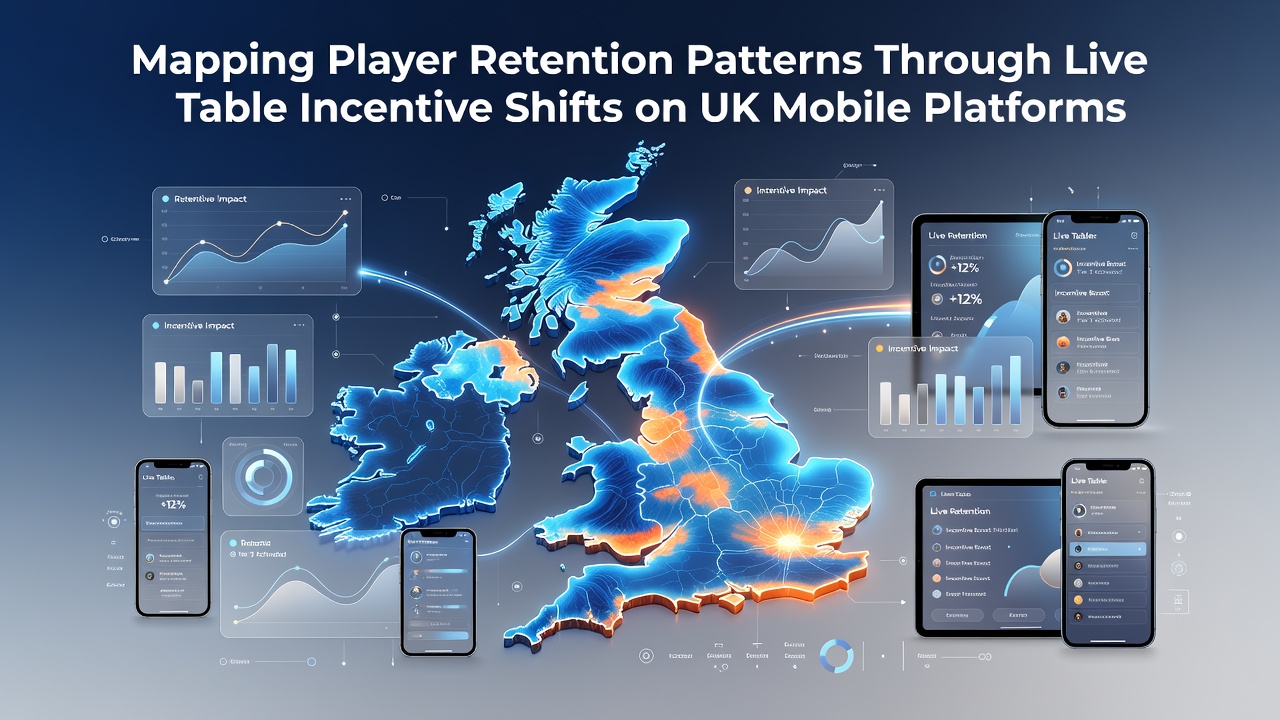
Data from multiple industry tracking systems shows that live table incentive adjustments on UK mobile platforms create measurable shifts in how players return to sessions over time, and researchers have mapped these patterns by examining session frequency, duration, and spend behavior before and after each change.
Live table incentives typically include timed promotions such as reduced commission on blackjack, matched bets during peak hours, and loyalty multipliers applied to roulette adn baccarat streams, while mobile platforms allow operators to deliver these offers through push notifications and in-app banners that reach users within seconds of login.
How Retention Data Gets Collected on Mobile Live Tables
Analytics platforms record every interaction with live dealer tables, including entry times, game selection sequences, and exit points, which lets analysts build retention curves that compare cohorts exposed to different incentive structures across weeks or months, and studies conducted through 2025 demonstrated that even small commission reductions could extend average session length by measurable margins.
One analysis covering several major UK-facing apps found that players receiving personalized live table offers returned at rates 18 percent higher than control groups during the same calendar periods, and the same research tracked how these gains held steady when offers rotated every 48 hours rather than remaining static.
Patterns Emerging from Recent Incentive Adjustments
Shifts introduced in early 2026 produced distinct retention signatures, with players on iOS devices showing quicker uptake of new live table multipliers compared with Android cohorts, while overall spend per retained user rose when incentives focused on mid-stakes tables rather than high-limit rooms.
July 2026 figures from platform-wide dashboards indicated that retention at the 30-day mark improved when operators paired live table incentives with short-term leaderboard challenges, yet the same data revealed that longer-term loyalty dipped if the challenges ended abruptly without follow-up offers.
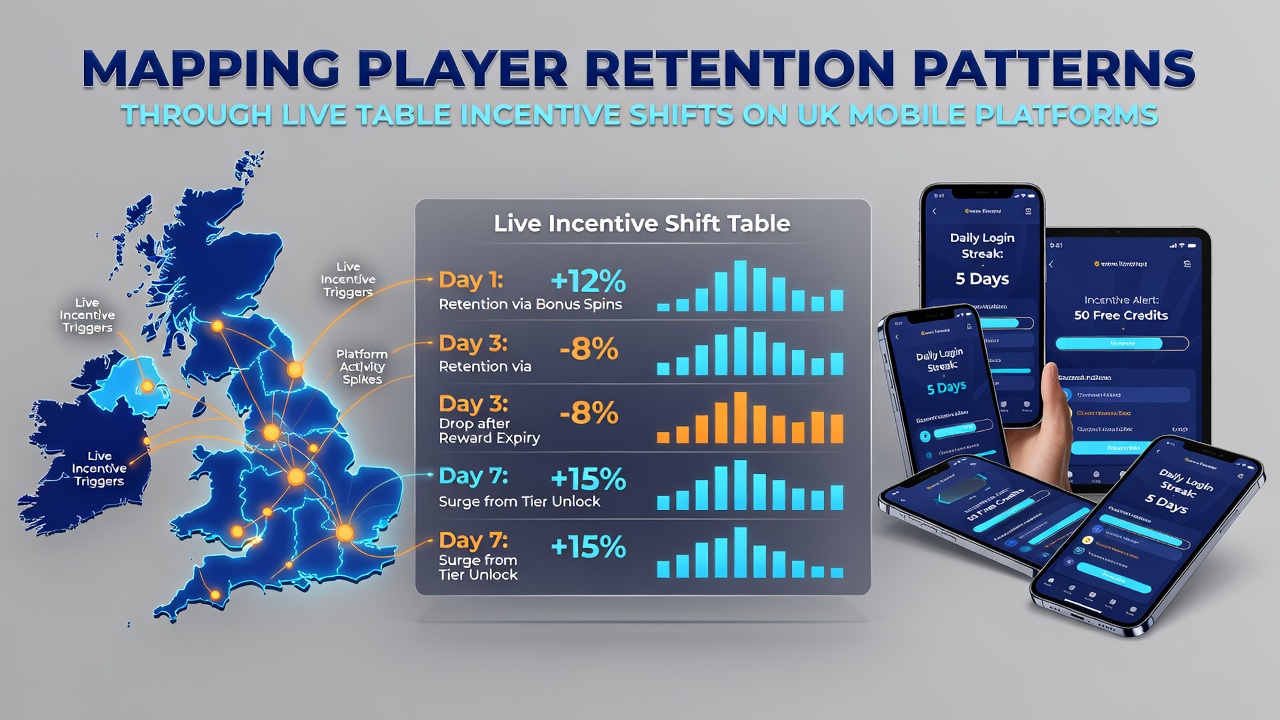
Observers tracking these metrics note that cross-device continuity plays a role, because users who begin a live table session on mobile and later continue on tablet demonstrate higher retention when incentives carry over seamlessly between devices.
External Research Supporting Retention Mapping Methods
Reports from the Canadian Gaming Association describe similar mapping techniques applied to North American platforms, where live dealer promotions produced parallel retention curves once adjusted for regulatory differences, and the findings align with UK mobile data in showing that incentive frequency matters more than incentive size for sustaining weekly returns.
A separate academic paper published through Australian Gambling Research examined time-series data from mobile apps and confirmed that live table incentive rotations every three to five days reduced churn compared with weekly cycles, providing additional context for UK operators refining their own schedules.
Case Examples from Platform Implementations
One major operator introduced staggered live table cashback offers tied to specific dealer shifts, resulting in a documented 12 percent lift in seven-day retention among users who engaged with the promotion within the first hour of notification, and follow-up tracking showed that those same players maintained elevated activity levels for an additional three weeks.
Another platform tested removing certain multipliers from low-stakes live tables while increasing them on mid-stakes options, and the resulting data indicated that retention among mid-stakes players increased while low-stakes cohorts showed modest declines that operators later offset through targeted re-engagement bonuses.
Conclusion
Retention mapping through live table incentive shifts continues to supply UK mobile platforms with actionable timelines for when to adjust offers, how long to maintain them, and which player segments respond most consistently, and the combination of session-level analytics with external comparative studies gives operators clearer visibility into the factors that keep users returning across changing incentive landscapes.