Retention Mechanics: How Customized Incentives Shape Engagement in Digital Casino Applications
Written by Morgan Perry · Jul 20, 2026
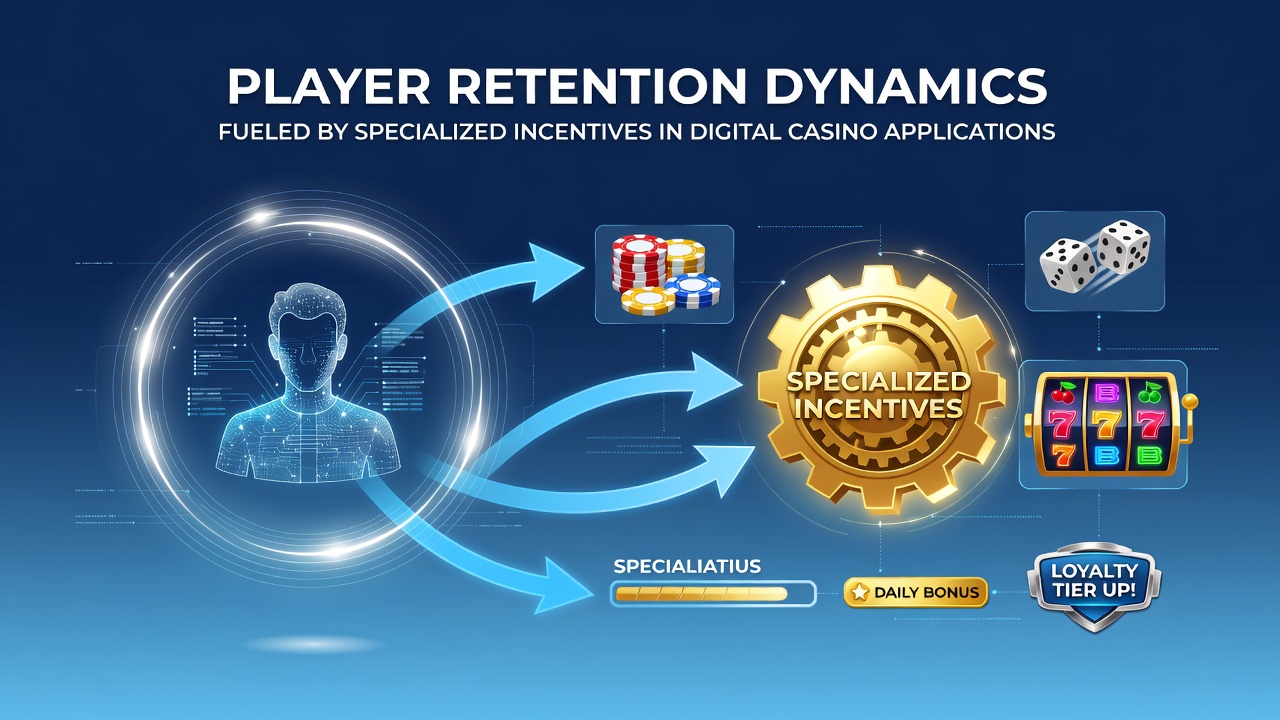
Retention Mechanics: How Customized Incentives Shape Engagement in Digital Casino Applications
Digital casino applications rely on specialized incentives to maintain user engagement over extended periods, and these mechanisms operate through targeted reward structures that adapt to individual playing patterns. Operators deploy data-driven personalization to deliver bonuses, cashback offers, and tiered loyalty benefits that align with user behavior, which in turn supports consistent session lengths and return visits.
Core Components of Retention-Focused Incentives
Specialized incentives in mobile casino environments include progressive loyalty tiers that unlock higher-value rewards as play volume increases, along with time-limited challenges that encourage repeated logins within defined windows. These systems track metrics such as deposit frequency and game preferences to adjust reward offerings dynamically, while segmented campaigns deliver free spins or deposit matches only to users whose activity matches specific criteria. Research from the University of Nevada's International Gaming Institute shows that such tailored approaches correlate with measurable lifts in repeat engagement across multiple platforms.
Operators integrate real-time analytics to monitor churn signals and intervene with customized offers before users disengage, and this proactive method relies on algorithms that process transaction histories alongside session data. Cashback programs structured around loss thresholds provide another layer, returning a percentage of net losses to qualifying accounts on a weekly or monthly basis, which helps stabilize player spend without altering core game mechanics.
Technological Enablers and Personalization Layers
Machine learning models underpin many retention initiatives by predicting which incentive types will resonate with particular user segments, and platforms apply these insights to automate reward distribution through push notifications or in-app messages. Integration with payment providers allows seamless crediting of bonuses directly to wallets, reducing friction in the redemption process, while A/B testing frameworks let operators refine incentive parameters based on conversion metrics gathered from live user cohorts.
Cross-device synchronization ensures that progress toward loyalty milestones carries over between desktop and mobile sessions, maintaining continuity for users who switch platforms mid-activity. Some applications layer social features onto incentive systems, such as leaderboards that award bonus credits to top performers within defined timeframes, which adds competitive elements to otherwise solitary play experiences.
Industry Data and Retention Outcomes
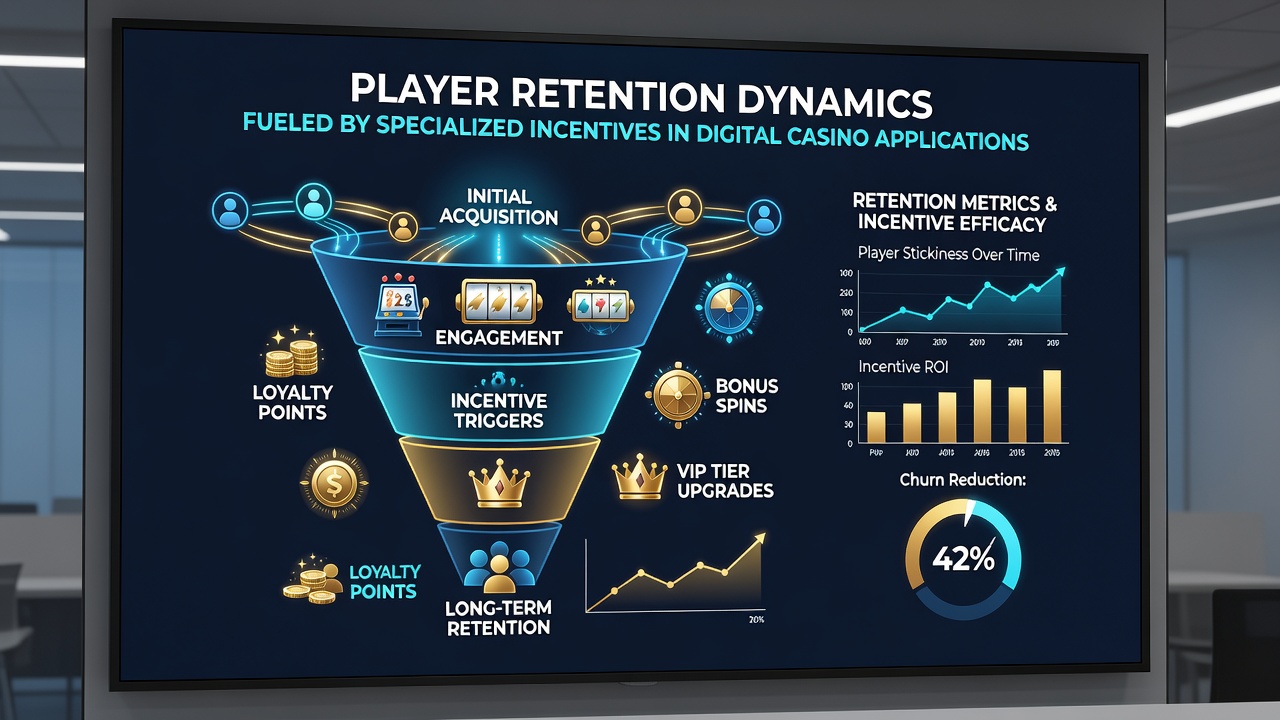
Figures released by the American Gaming Association in July 2026 indicated that platforms employing advanced personalization engines reported average retention improvements of 18 to 24 percent over baseline models that used generic bonus structures. These gains appeared most pronounced among mid-tier users who received incentives calibrated to their historical bet sizes and preferred game categories. Data from the Australian Communications and Media Authority further highlighted that operators utilizing predictive churn models experienced lower rates of account dormancy during the first quarter of that year compared with those relying on static reward schedules.
Case examples from major operators demonstrate how combining cashback with milestone bonuses can extend average player lifecycles, particularly when rewards escalate in value at predefined activity thresholds. One documented implementation involved restructuring VIP programs to include instant tier upgrades upon reaching deposit targets, resulting in accelerated progression through loyalty levels and sustained deposit activity.
Regulatory Frameworks Across Regions
Jurisdictions maintain distinct rules governing the design and communication of retention incentives, with emphasis on transparency in bonus terms and restrictions on targeting vulnerable player groups. Canadian provincial regulators, for instance, require clear disclosure of wagering requirements attached to any promotional credits, while similar provisions appear in licensing conditions issued by bodies in European markets outside the UK. These frameworks influence how operators structure reward mechanics without prohibiting the underlying personalization techniques.
Conclusion
Specialized incentives continue to evolve as central tools for sustaining engagement in digital casino applications, driven by advances in analytics and regulatory adaptations that shape their implementation across different markets. Retention outcomes depend on precise calibration of reward types to user profiles, supported by ongoing measurement of engagement metrics and compliance with regional standards.