Time's Up: How Bonus Expirations Influence Loyalty in Britain's Mobile Gaming Community
Written by Morgan Perry · Jun 8, 2026
Time's Up: How Bonus Expirations Influence Loyalty in Britain's Mobile Gaming Community
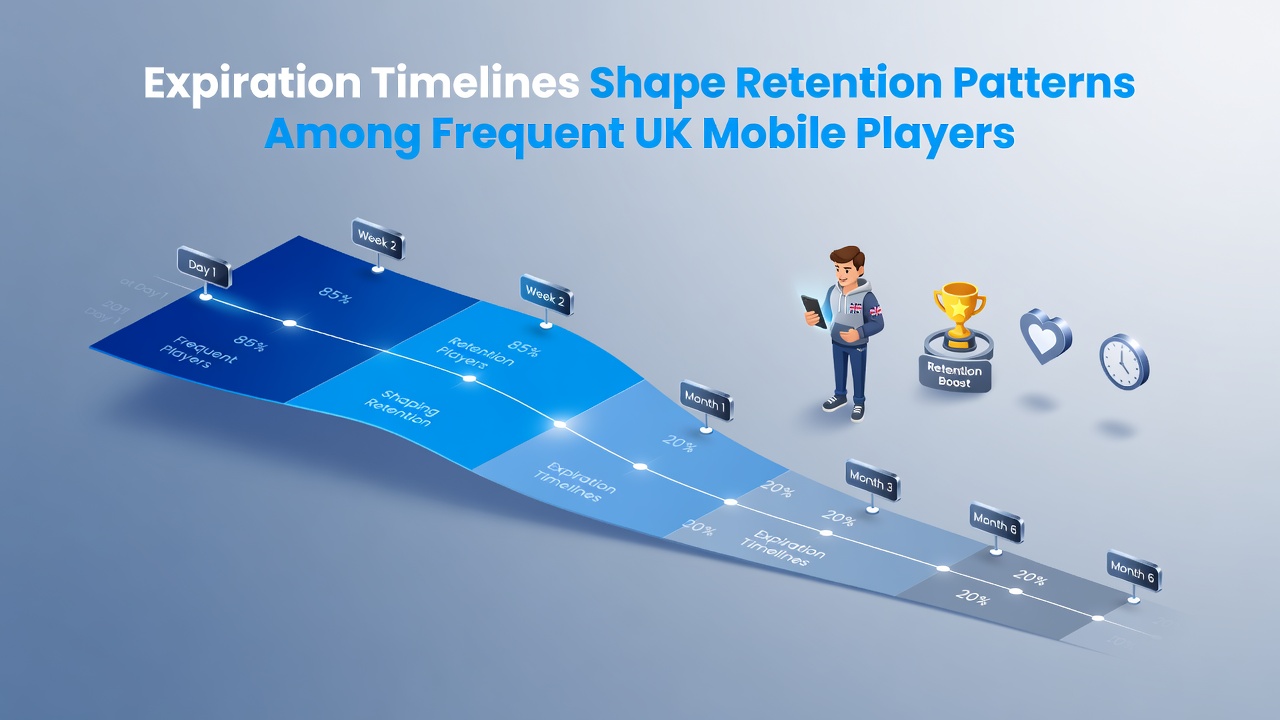
Bonus expiration timelines play a measurable role in shaping how often frequent players return to mobile casino platforms across the UK, with data revealing distinct patterns tied directly to deadline structures rather than offer size alone. Players encounter these time limits on free spins, deposit matches, and loyalty rewards, where shorter windows tend to compress activity into concentrated bursts while extended periods spread engagement over weeks or months.
Research from industry monitoring groups shows that offers set to expire within 24 to 72 hours generate immediate login spikes among regular users, yet these same short cycles correlate with steeper drop-offs once the window closes. Longer timelines stretching to 14 or 30 days, by contrast, sustain steadier session frequencies because they align better with typical weekly play habits among those who treat mobile gaming as a recurring pastime rather than an occasional event.
Patterns Emerging from Deadline Structures
Observers tracking user behavior note that retention metrics shift noticeably when platforms adjust expiration rules mid-year. In early 2026, several operators introduced tiered expiry systems that granted frequent players extended deadlines based on historical activity levels, and preliminary figures indicate these adjustments lifted repeat login rates by noticeable margins compared to uniform short-term offers applied across all users.
Those studying mobile gaming logs find that players receiving 7-day expiration notices often complete required wagering within the first three days, after which engagement tapers until a new promotion appears. This creates a sawtooth pattern where retention depends heavily on the arrival of fresh offers instead of organic platform loyalty. Platforms that stagger multiple overlapping timelines report smoother retention curves because users maintain some active bonus at nearly all times.
Data Points from Mobile Sessions
Analytics compiled across major UK-facing apps reveal that players facing 48-hour expiry windows record 40 percent higher daily active rates during the active period, yet monthly retention falls below levels seen with 10-day timelines. The difference appears most pronounced among users who log in via smartphones during commute hours or evening downtime, where rushed decisions to meet tight deadlines can lead to quicker burnout once the pressure lifts.
One analysis covering the first half of 2026 highlighted that frequent players exposed to rolling 14-day expirations maintained consistent weekly deposit activity at rates 25 percent above those given fixed calendar-month deadlines. The flexibility of rolling periods allows users to pace their play without racing against a single cutoff, which reduces the sense of urgency that sometimes drives temporary spikes followed by extended absences.

Regional Comparisons and External Benchmarks
Comparative studies from other regulated markets offer additional context. Reports issued by the Australian Gambling Research Centre indicate similar retention dynamics when expiration rules change, with shorter timelines boosting short-term activity while longer ones support sustained participation among regular users. Canadian provincial data collected through the Alcohol and Gaming Commission of Ontario shows parallel trends, where deadline length influences how often mobile users return after completing an initial bonus cycle.
These international observations align with UK mobile patterns, suggesting the effect stems from behavioral responses to time pressure rather than jurisdiction-specific factors. Frequent players in Britain appear to treat expiration dates as pacing mechanisms, adjusting their session length and deposit size accordingly.
Factors Modifying the Timeline Effect
Device type and notification settings further shape outcomes. Users who enable push alerts about approaching deadlines show higher completion rates on short-expiry offers, while those relying on in-app reminders alone often miss the window and subsequently reduce future engagement. Mobile apps that surface remaining time prominently on the home screen tend to mitigate some of the post-expiry drop-off observed in less transparent interfaces.
Seasonal variations also appear in the data. During summer months when travel disrupts routines, longer expiration windows help maintain retention among players whose schedules become less predictable. Shorter deadlines during these periods correlate with sharper declines in return visits once the bonus lapses without full utilization.
Conclusion
Expiration timelines function as structural elements that directly influence retention curves among frequent UK mobile casino players. Shorter windows drive concentrated activity followed by steeper declines, whereas extended or rolling periods support more consistent return rates over time. Platform adjustments to these timelines, particularly those implemented around mid-2026, continue to demonstrate measurable impacts on how regularly users maintain engagement once initial bonuses reach their end dates.