Tracing Player Routes Through Verification Stages in British Digital Reward Platforms
Written by Eden Long · Jun 12, 2026
Tracing Player Routes Through Verification Stages in British Digital Reward Platforms
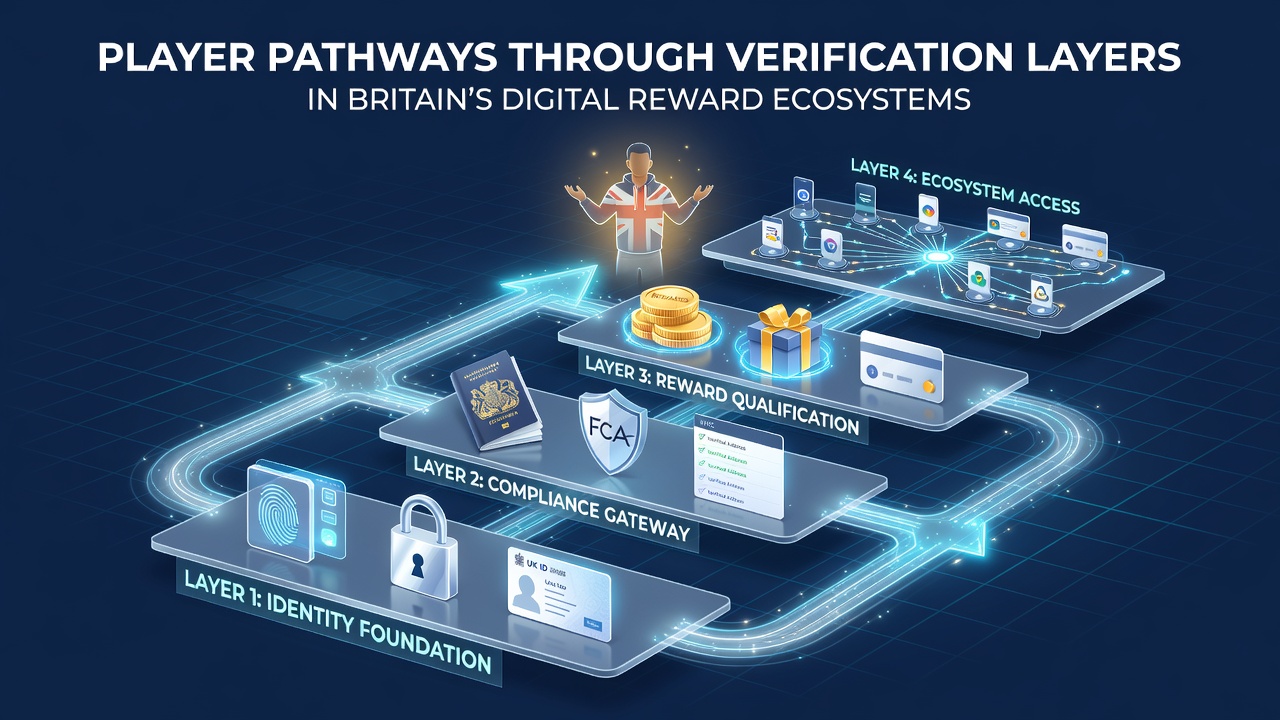
Players entering Britain's digital reward ecosystems encounter structured verification processes that determine access to bonuses and incentives, and these pathways involve multiple layers of checks designed to confirm eligibility before rewards become available. Registration typically begins with basic details, after which systems route individuals through identity confirmation steps that align with regulatory standards.
Initial Registration and Entry Points
Users start by submitting core information such as email addresses and personal data on platform interfaces, and this stage feeds directly into automated screening tools that flag potential issues early. Systems then prompt for further details including address verification and payment method linkage, which connect to external databases for cross-checking. Observers note that platforms integrate these steps seamlessly to maintain user flow while meeting compliance requirements.
Core Verification Layers
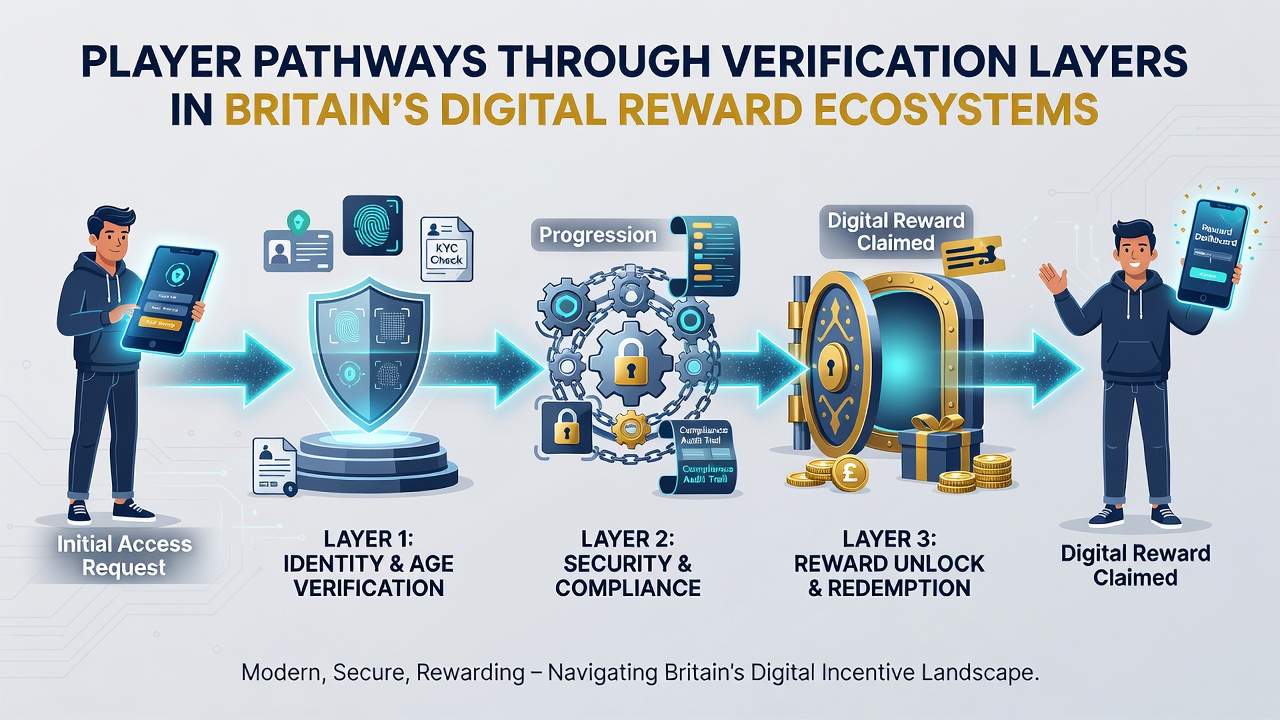
Age confirmation forms the first major barrier, where tools scan government-issued documents or use third-party services to validate birth dates against legal thresholds. Identity checks follow, employing document uploads and biometric options like facial recognition to match users with records. Financial verification adds another dimension, as providers review bank details and transaction histories to assess risk profiles before unlocking reward tiers. Data from industry reports indicates that these combined layers reduce unauthorized entries by significant margins across multiple European markets.
Advanced Screening and Risk Assessment
Platforms apply anti-money laundering protocols that analyze transaction patterns and source of funds, routing higher-risk profiles toward manual reviews by compliance teams. Responsible gambling tools integrate here as well, prompting self-assessment questionnaires that influence reward availability based on player responses. Those who've studied these systems find that integration of machine learning helps prioritize reviews and accelerates processing for low-risk cases. In June 2026, updates to digital identity frameworks across Britain are expected to streamline some of these steps through enhanced data sharing between approved providers.
Player pathways branch at this point depending on verification outcomes, with successful cases gaining immediate access to standard rewards while flagged accounts enter appeal or additional documentation phases. Research from academic sources shows varied completion rates across platforms, influenced by document quality and user familiarity with digital processes.
Integration with Reward Structures
Once cleared, verified accounts unlock progressive incentive levels tied to activity metrics, and these structures often include deposit matches or spin allocations that scale with continued compliance. Systems track ongoing verification status through periodic rechecks, particularly after large wins or account changes, to sustain access. Industry organizations like the European Gaming and Betting Association have documented how such ongoing monitoring supports ecosystem stability without disrupting player engagement.
Take one study from a Canadian research institution that examined similar verification flows in North American markets, and it revealed that streamlined pathways increased retention among verified users by aligning checks with reward triggers. Platforms in Britain adopt comparable methods, adjusting layer intensity based on player history and reward value.
Regional Comparisons and Data Trends
Figures from Australian regulatory bodies highlight differences in verification speed compared to British systems, where integrated digital IDs allow faster progression in some cases. Yet Britain's emphasis on multi-layer checks creates distinct routes that prioritize security over speed for certain reward categories. External links to reports, such as those from university-led analyses on global gaming compliance, provide further context on how these variations affect player movement through ecosystems.
European Gaming and Betting Association reports detail verification efficiency metrics across member states, while studies from the National Council on Problem Gambling examine impacts on player behavior in verified environments. These sources underscore patterns in how layered processes shape access without creating unnecessary friction.
Conclusion
Player pathways through verification layers in Britain's digital reward ecosystems follow predictable sequences of registration, screening, and ongoing monitoring that balance access with compliance. As frameworks evolve by 2026, these routes continue to adapt through technology and data integration, maintaining structured progression for users seeking incentives.