Unified Reward Integration Across Licensed Virtual Gaming Platforms
Written by Riley Perry · Aug 3, 2026
Unified Reward Integration Across Licensed Virtual Gaming Platforms
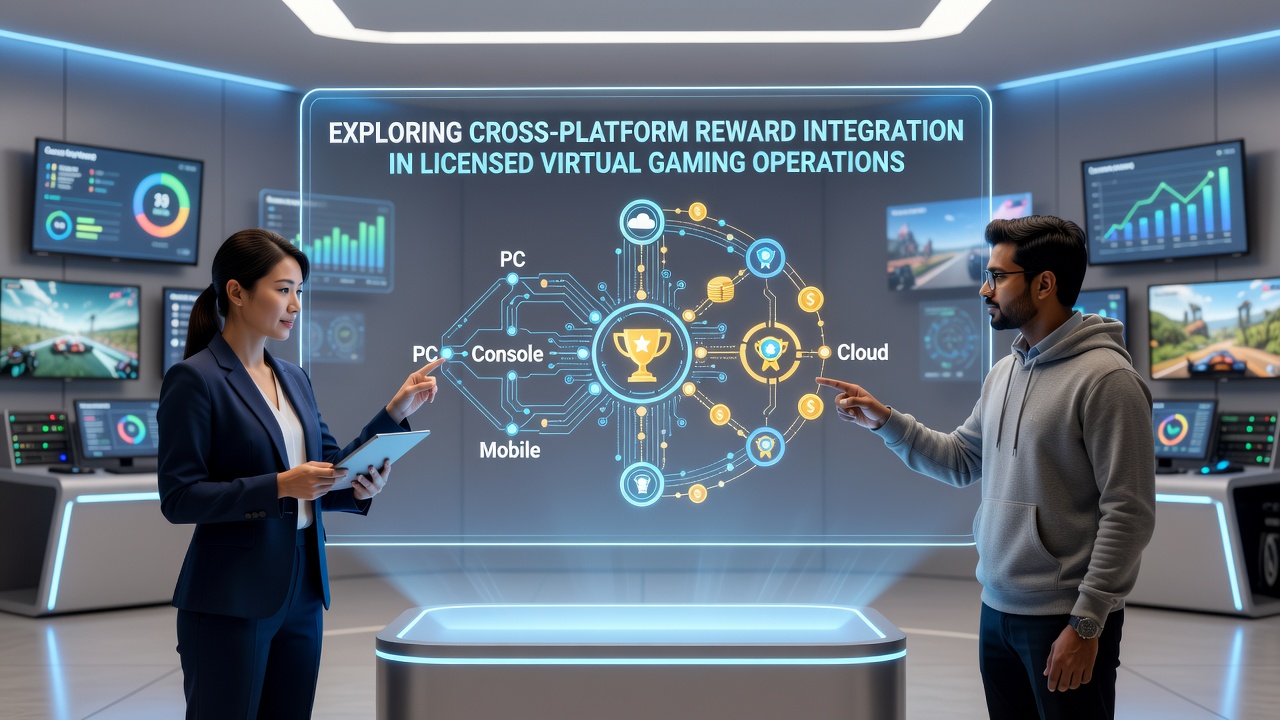
Operators in licensed virtual gaming sectors have expanded efforts to connect reward systems across multiple devices and channels since the mid-2020s, allowing players to maintain consistent loyalty progress whether accessing games through mobile applications, desktop browsers, or integrated live platforms. This approach relies on centralized databases that track player activity in real time while complying with regional licensing requirements that vary from North America to Europe and Asia-Pacific markets.
Core Mechanics of Reward Synchronization
Data synchronization occurs through secure APIs that link separate gaming environments, so a deposit made on one device updates available bonuses and loyalty points instantly on another, while maintaining audit trails required by regulators. Studies from industry research groups indicate that such systems reduce redundant data entry and support features like shared progress bars for tier advancement or accumulated free spins that carry over without reset. In August 2026 reports from several North American jurisdictions highlighted how these integrations helped operators meet player retention metrics amid growing competition from unregulated offshore sites.
Security protocols play a central role because licensed entities must encrypt transaction records and player identifiers to prevent unauthorized access during cross-device transfers. Observers note that multi-factor authentication combined with device fingerprinting has become standard practice, enabling seamless logins while satisfying strict data protection rules enforced by bodies such as the Alcohol and Gaming Commission of Ontario. Those frameworks require documented consent for data sharing across platforms, which operators address through clear in-app disclosures that detail how rewards accumulate and transfer.
Regulatory Frameworks Shaping Implementation
Licensing authorities across different regions impose specific conditions on reward programs to ensure fairness adn transparency, including caps on bonus values and mandatory disclosure of wagering requirements that apply uniformly regardless of access method. The Alcohol and Gaming Commission of Ontario updated its technical standards in early 2026 to mandate real-time reporting of cross-platform reward redemptions, prompting operators to upgrade their backend infrastructure accordingly. Similar guidelines from Australian oversight bodies emphasize responsible gambling tools that remain consistent whether a player switches from tablet to smartphone mid-session.
Academic analyses of these systems, including papers published through university gaming research centers, have examined how unified rewards influence session length and deposit frequency without encouraging excessive play. Findings from such work show measurable increases in player engagement metrics when points earned on live dealer tables automatically convert to mobile slot credits, provided operators maintain clear separation between promotional funds and player deposits as required by law.
Technical Infrastructure adn Data Management
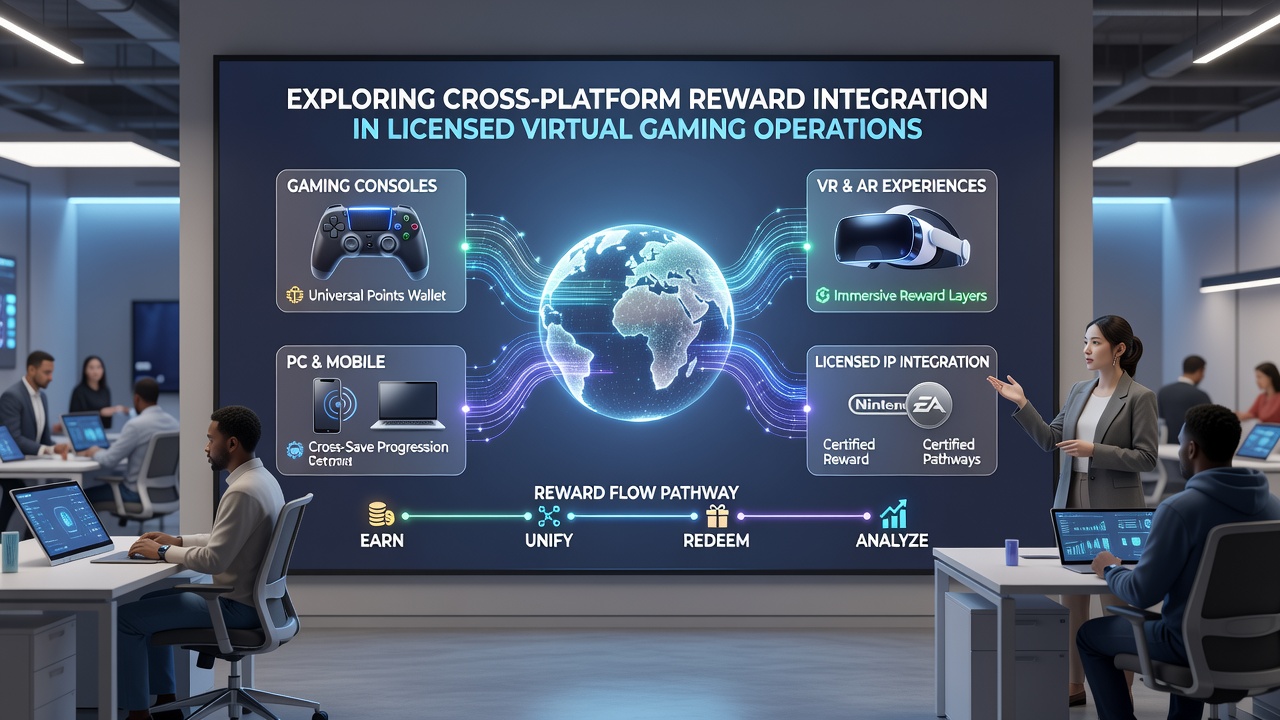
Modern implementations depend on cloud-based ledgers that update across time zones and device types within milliseconds, allowing features such as personalized reward notifications that reference a player's complete history rather than isolated sessions. Software providers have developed modular toolkits that integrate with existing casino management systems, enabling smaller licensed operators to adopt cross-platform functionality without building proprietary solutions from scratch. Industry associations report that adoption rates climbed steadily through 2025 and into August 2026, driven by player demand for continuity when switching between home computers and portable devices during travel.
Interoperability standards developed by international gaming technology groups help ensure that rewards remain compatible even when different software vendors power the underlying games. These standards cover everything from point valuation formulas to expiration policies, reducing friction for players who move between jurisdictions with distinct licensing regimes. Yet operators still face challenges when local rules require unique tax treatments or reporting formats for promotional play, necessitating flexible configuration options within the core platform.
Player Experience and Operational Outcomes
Case examples from European and Canadian markets illustrate how integrated rewards support longer-term loyalty programs that span multiple game categories, including slots, table games, and sports betting where permitted. Players receive tier benefits such as cashback percentages or event invitations that reflect total activity across all channels rather than segmented by device. Data aggregated by trade organizations shows corresponding improvements in repeat visit rates and average revenue per user for operators that maintained consistent reward visibility and redemption processes.
Training programs for support staff have expanded to cover troubleshooting across platforms, since issues with reward synchronization often stem from temporary network differences rather than account problems. Licensed operators document these interactions to refine their systems and meet ongoing compliance audits that verify accurate reward delivery regardless of access point.
Conclusion
Cross-platform reward integration continues to evolve within licensed virtual gaming operations as technology advances and regulatory expectations adapt to multi-device usage patterns. Operators that align their systems with regional licensing conditions while delivering consistent player experiences position themselves for sustained participation in this sector. Ongoing developments in data security, interoperability standards, and responsible gambling features will shape how these integrations function in coming periods.